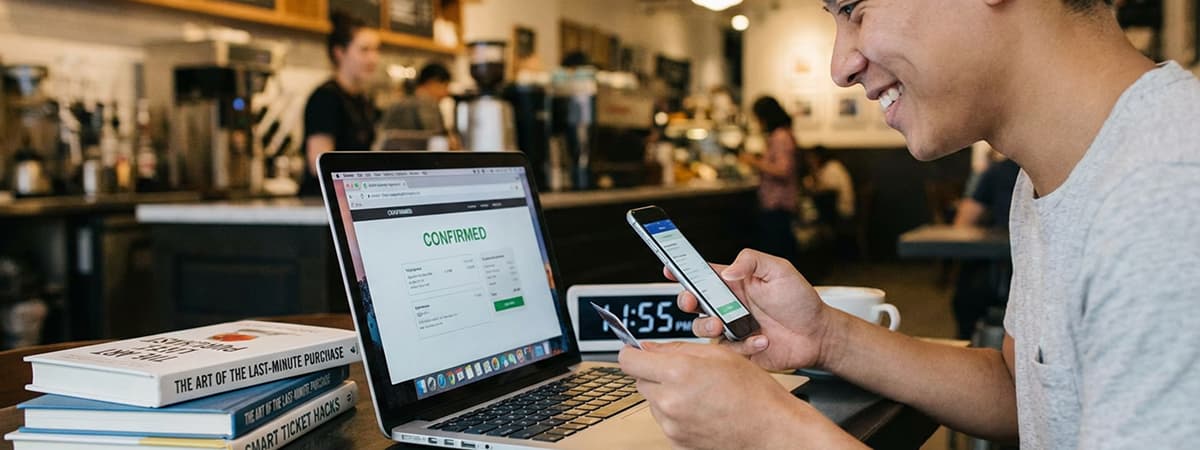
The Art of the Last-Minute Purchase: How to Secure Event Tickets Without Overpaying
Post Summary: Missing the early-bird window doesn’t have to mean breaking the bank. This guide explores strategic timing, platform selection, and flexible planning to help you land affordable tickets for concerts, sports, and shows even hours before the curtains rise.
We have all experienced that sudden surge of excitement for an upcoming event, only to find that the remaining tickets cost a small fortune. While the conventional wisdom is to book months in advance, life often happens in the “now.” Whether it is a last-minute invite or a sudden urge to see your favorite artist, the secondary market can be intimidating.
However, landing a seat at a fair price is not a matter of luck—it is a matter of understanding market psychology. By knowing when to wait and where to look, you can turn a potential “sold-out” disappointment into a memorable night out without the premium price tag.
1. Strategic Timing: The Power of Waiting
In the world of last-minute ticketing, the typical rules of commerce are inverted. As showtime approaches, the leverage shifts from the seller to the buyer. Resellers on secondary platforms face a “zero-value” deadline: once the event starts, an unsold ticket is worth nothing.
- The 48-Hour Window: Prices often begin to decline significantly 24 to 48 hours before the event.
- The “Panic” Zone: Avoid buying 3–5 days before the show, as this is often when prices peak due to high demand from anxious buyers.
- The Final Hour: If you are willing to risk missing the very beginning, checking platforms minutes before the start time can lead to the deepest discounts.
2. Prioritizing Secure Platforms and Fee Transparency
While social media marketplaces can offer deals, they lack the buyer protection of established platforms. When hunting for a bargain, security should remain your top priority. Use legitimate resale sites that verify tickets and offer money-back guarantees.
Crucial Tip: Always look at the “All-In” price. Many platforms display a low sticker price but add substantial service fees at checkout. Comparing the final total across different apps is the only way to ensure you are truly getting a deal.
3. Leveraging Automation and Mobile Technology
Efficiency is key when deals move fast. Use digital tools to stay ahead of the competition:
- Price Alerts: Set notifications for specific events to receive immediate updates when prices drop to your target range.
- Official Mobile Apps: Venues and official partners (like Ticketmaster or AXS) frequently release “production holds”—blocks of seats previously reserved for technical equipment—at standard prices just hours before the event.
- Digital Entry: In the current landscape, paper tickets are largely obsolete. If a seller insists on physical copies, treat it as a significant red flag for potential fraud.
4. Flexibility and Alternative Planning
A willingness to adjust your expectations can lead to substantial savings. Consider seats with “obstructed views” or those in higher tiers; often, the atmosphere of the venue is more important than the exact viewing angle.
If your ticket search ultimately proves unsuccessful, don’t let the evening go to waste. Being flexible means having a “Plan B.” Many cities offer alternative entertainment hubs, from local jazz lounges to themed social clubs or even a visit to a nearby casino. Many high-end venues host special events during major concert nights, providing a vibrant social scene and classic table games like blackjack or poker that can be just as memorable as the main event.
5. Safe Social Media Engagement
Community groups and fan forums can be goldmines for face-value tickets from people who genuinely cannot attend. However, this requires maximum caution:
- Search specific hashtags or artist-focused Discord servers.
- Avoid direct bank transfers; use payment methods with purchase protection.
- Trust your instincts—if a deal seems too good to be true, it likely is.