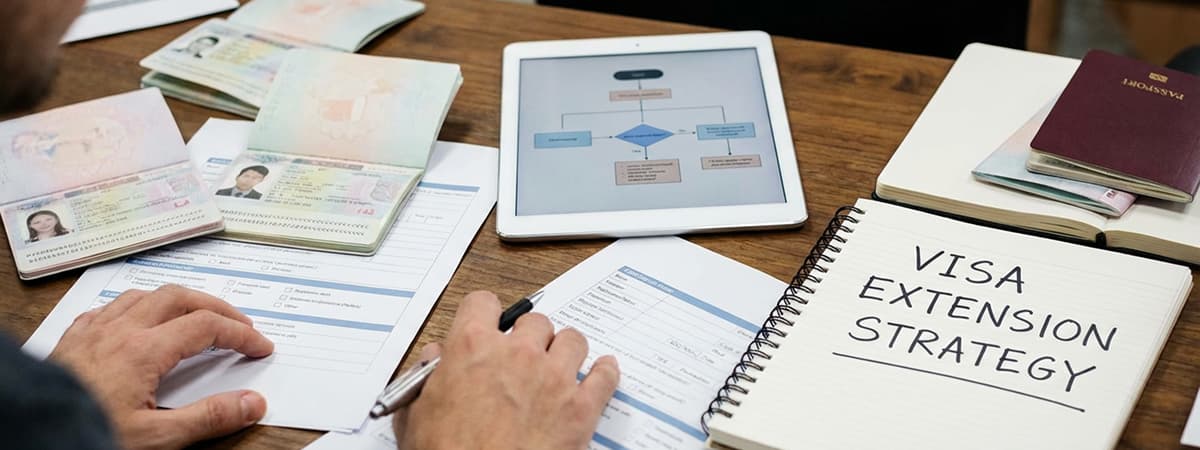
Navigating the Visa Extension Process: A Strategic Approach to Maintaining Legal Status
Post Summary: Ensuring a seamless stay abroad requires proactive management of your immigration status. This guide explores the essential steps for securing a visa extension, from documentation and timing to managing potential outcomes, helping you remain compliant with international regulations.
A visa extension is more than a administrative formality; it is a critical step in ensuring that your international stay—whether for professional engagements, academic pursuits, or personal visits—remains within the bounds of local law. Maintaining compliance prevents the significant legal complications and travel restrictions that often follow an unintentional overstay.
By securing an extension well in advance, travelers can focus on their objectives without the distraction of looming expiration dates. This guide outlines the logistical framework necessary for a successful application process.
The Application Framework
1. Selecting the Appropriate Documentation
The success of an extension often depends on using the correct administrative forms. For instance, in the United States, Form I-539 is standard for most non-immigrant categories, while employment-based extensions may require Form I-129. Since filing fees are subject to change, it is advisable to verify current costs before submission.
2. Evidence and Supporting Documentation
Submitting a comprehensive evidence package is vital. Beyond the basic identification and current visa details (such as the I-94 record), authorities typically require:
- Financial Solvency: Proof that you possess sufficient funds to support your extended stay.
- Intent and Compliance: Documentation showing that your reasons for staying remain consistent with your original visa type.
- Proof of Future Departure: One of the most critical elements is demonstrating a clear plan to leave the country at the end of the extended period. Utilizing reliable onward travel documentation can significantly simplify this requirement and strengthen the credibility of the application.
3. Submission and Biometrics
Accuracy during submission is paramount. Most applications are now handled via digital portals or specialized mailing centers. It is essential to include all required biometrics and application fees at the time of filing to avoid immediate rejection. Maintaining a complete copy of the submitted file is a standard best practice for any traveler.
Critical Timing and Processing Intervals
The most common mistake in visa management is waiting too long to act. Experts generally recommend initiating an extension request at least 45 days before the current status expires. Because processing times fluctuate based on current caseloads, early submission acts as a necessary buffer against administrative delays.
Post-Submission Management
After filing, you will receive a receipt notice containing a tracking number. This number allows you to monitor the application’s progress through official portals. Additionally, be prepared for a biometrics appointment, which is often a mandatory step for identity verification. Missing this appointment can result in an automatic denial of the extension.
Understanding the Outcomes
The Approval Process
Upon approval, you will receive updated documentation, such as a new I-94, which serves as your legal proof of authorized stay. It is crucial to review this document immediately for accuracy, noting any specific conditions or the new mandatory departure date. Systematic record-keeping here will simplify all future immigration requests.
Managing a Denial
In the event of a denial, immediate action is required. Most authorities expect a prompt departure, typically within a 30-day window. Overstaying after a denial carries severe penalties, including potential fines or long-term bans on re-entry. Adhering to the departure timeline protects your ability to apply for future visas.