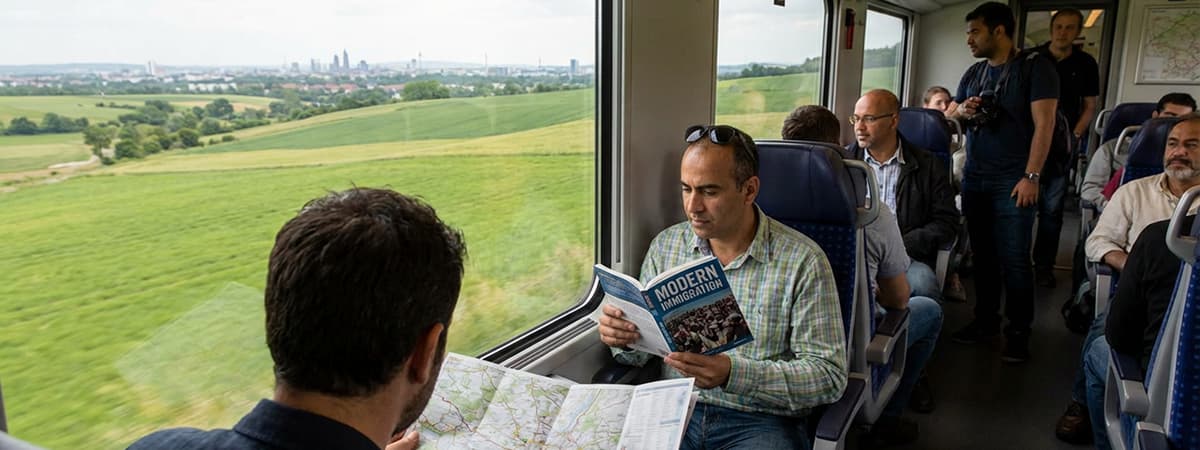
Navigating the German Landscape: A Comprehensive Guide to Modern Immigration
Post Summary: Germany continues to evolve as a premier destination for global talent and families. This analysis explores recent legislative shifts, diverse residency pathways, and the financial considerations essential for a successful transition to one of Europe’s strongest economies.
For professionals, students, and families seeking a stable and prosperous future, Germany remains a cornerstone of opportunity within the European Union. Known for its robust economic framework, world-class academic institutions, and a comprehensive healthcare system, the country offers a high standard of living that attracts thousands of new residents annually.
However, successful integration begins with a sophisticated understanding of the German immigration structure. While the process is methodical and highly regulated, recent reforms have made it increasingly accessible for those who approach the transition with a clear strategy and the necessary qualifications.
Recent Shifts in Immigration Policy
Germany has recently recalibrated its migration framework to better accommodate skilled professionals and foster long-term integration. Understanding these nuances is critical for any prospective resident.
The 2023 Skilled Workers Immigration Act
This landmark legislation introduced a points-based system designed to simplify the recognition of foreign degrees and professional qualifications. Notably, it lowered the salary thresholds for the EU Blue Card, making it an even more viable route for specialized talent.
Naturalization and Dual Citizenship
In a significant move toward modernizing its society, Germany now permits dual citizenship under broader conditions. The residency requirement for naturalization has been reduced from eight years to five, and in cases of exceptional integration or marriage to a German citizen, this path can be accelerated to just three years.
The Opportunity Card (Chancenkarte)
The “Chance Card” initiative represents a shift toward proactive recruitment. It allows qualified individuals to reside in Germany for up to a year to seek employment, even without a prior job offer, provided they meet specific criteria regarding language skills and professional background.
Primary Pathways to Residency
Identifying the correct visa category is the most pivotal step in the immigration journey. Current pathways include:
- The EU Blue Card: Designed for highly qualified professionals with a confirmed job offer and a recognized university degree. It offers an expedited route to permanent residency.
- The Job Seeker Visa: A traditional route for professionals to stay in the country for up to six months while interviewing and securing a position.
- Freelance and Digital Nomad Permits: Suited for self-employed individuals. This requires a robust business plan, evidence of a local client base (usually at least two German-based contracts), and significant financial proof.
- Academic and Study-to-Work Routes: Utilizing Germany’s world-renowned education system as a springboard. Graduates of German universities enjoy extended periods to find work and transition into long-term residency.
- Family Reunification: A dedicated pathway for those with immediate family members already established in Germany, often granting the right to reside and work.
Financial Planning and Logistics
A successful relocation requires a realistic assessment of the initial capital required to settle in Germany. Costs are generally categorized into three main areas:
Administrative and Logistics: Beyond standard visa fees (typically around €75 for long-stay visas), one must account for the logistical expenses of international shipping and the potential need for legal or relocation assistance.
Housing and Initial Subsistence: The cost of living varies significantly by region. While cities like Berlin remain relatively competitive, major hubs like Munich and Frankfurt command higher premiums. Prospective residents should be prepared for rental deposits typically equaling three months of “cold” rent.
Mandatory Insurance and Healthcare: Health insurance is a legal requirement in Germany. Whether opting for statutory (public) or private coverage, this remains a non-negotiable monthly expense that must be factored into any budget.