The Professional Nomad’s Toolkit: Essential Systems for Global Mobility
Post Summary: High-frequency travel requires a robust logistical framework to manage entry requirements, connectivity, and productivity. This analysis identifies six category-leading solutions that mitigate the common frictions of the nomadic lifestyle, focusing on verifiable documentation, mobile data, and professional workspaces.
In the current era of global mobility, the boundary between professional stability and geographic flexibility has blurred. However, the logistical challenges remain constant: border authorities still require proof of intent, communication networks fluctuate across regions, and the need for a focused work environment is non-negotiable. Success for the modern remote professional depends on a curated “stack” of tools that resolve these frictions with precision and reliability.
1. Administrative Compliance: Onward Documentation
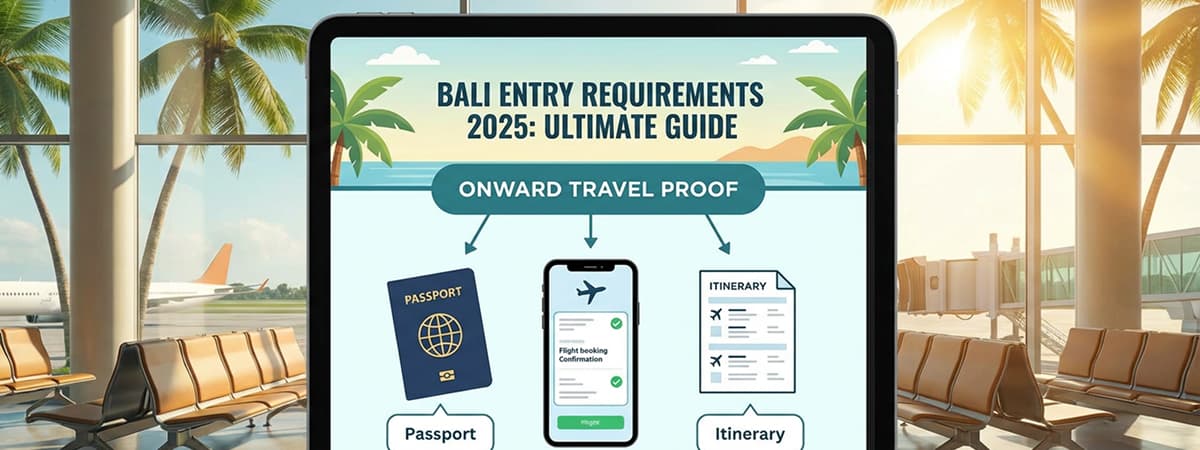
Navigating international borders often involves demonstrating a clear exit strategy to immigration officers. Rather than the financial commitment of non-refundable flights, specialized services now provide fully verifiable, time-limited flight reservations. These documents feature authentic Passenger Name Records (PNRs) that withstand airline and consulate verification. For travelers moving through regions with strict entry policies, this represents a cost-effective method for ensuring legal compliance without sacrificing itinerary flexibility.
2. Culinary Consistency: Portable Espresso Technology
For many professionals, the morning ritual is a cornerstone of productivity. Hand-pumped, high-pressure espresso makers have evolved to offer 18 bars of pressure in a compact, battery-free form factor. By utilizing a manual system, travelers can enjoy cafe-quality results in remote locations. These devices are engineered for durability and ease of maintenance, providing a repeatable coffee experience that is independent of local infrastructure or power availability.
3. Connectivity: Global eSIM Integration
The transition between countries is no longer synonymous with high roaming fees or the search for local SIM cards. Modern eSIM marketplaces allow for the instant acquisition of data plans in over 200 regions. These plans can be activated via mobile applications prior to arrival, ensuring that connectivity is established the moment the aircraft lands. This centralized approach to mobile data offers tiered bundles—local, regional, or global—to suit the specific duration and geography of the journey.
4. Task Management: Natural Language Organization
Effective remote work requires a task management system that functions across multiple time zones and offline environments. Leading platforms now utilize natural language processing to simplify the entry of deadlines and project milestones. For distributed teams, these tools offer collaborative workspaces with role-based permissions, ensuring that complex roadmaps remain synchronized even when team members are operating from different continents.
5. Specialized Housing: Managed Coliving Spaces
Housing for the long-term traveler must bridge the gap between hospitality and a professional office environment. Global coliving networks now provide a “plug-and-play” solution, featuring ergonomic workstations, high-speed fiber-optic internet, and a community of like-minded professionals. These spaces eliminate the complexities of traditional leases and deposits, offering flexible stays that range from several days to several months, all within a curated social ecosystem.
6. Logistics Aggregation: Unified Itinerary Tracking
Managing a multi-leg journey involves tracking a multitude of confirmation emails and schedule changes. Automated itinerary managers solve this by parsing incoming data from flights, accommodations, and rail services into a single, chronological timeline. Advanced tiers of these services offer real-time flight intelligence, including terminal maps and safety scores, transforming a fragmented set of bookings into a cohesive and actionable travel plan.