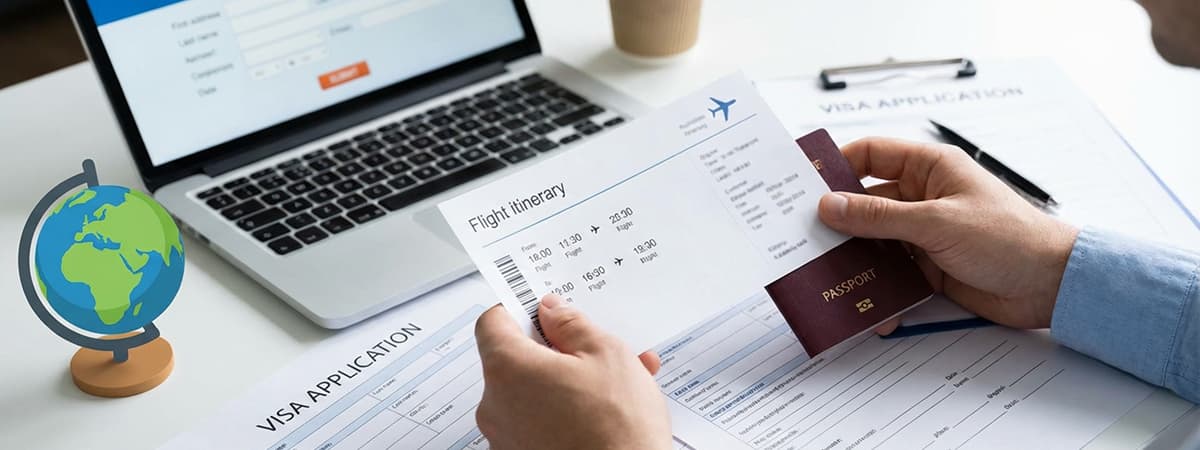
The Essential Role of Flight Itineraries in Modern Visa Applications
Post Summary: Navigating the entry requirements for popular regions like the Schengen Area often requires proof of travel plans. This guide explains the nuances of flight itineraries, why they are required by immigration, and how to secure verifiable documentation without the financial risk of purchasing full tickets upfront.
When applying for visas to destinations with strict immigration policies—most notably the European Schengen Area—the term “flight itinerary” frequently emerges as a primary requirement. For many travelers, this creates a dilemma: how do you commit to an expensive flight before your visa is even approved?
Understanding the difference between a confirmed ticket and a travel itinerary is key to a stress-free application process. This document serves as a roadmap for consular officers, providing assurance that your visit is planned, purposeful, and, most importantly, temporary.
Defining the Travel Itinerary
In the context of a visa application, a travel itinerary is a comprehensive document detailing your intended movement. Unlike a simple boarding pass, it includes:
- Flight Schedules: Specific flight numbers, departure times, and arrival cities.
- Chronological Consistency: Dates that align perfectly with your requested visa duration.
- Proof of Intent: A clear demonstration that you have a planned exit strategy from the host country.
While some find this requirement restrictive, it is a standard security measure designed to prevent overstays and ensure that travelers have researched their logistics before arrival.
Specific Requirements for the Schengen Area
The Schengen visa allows for travel across 29 European nations for up to 90 days. Because of the open-border nature of this zone, documentation must be precise. To meet the standard itinerary requirements, you will typically need:
- Round-Trip Evidence: Verified entry and exit dates for the entire Schengen zone.
- Proof of Accommodation: Confirmed hotel reservations or official letters of invitation that match the dates of your flight itinerary.
- Logistical Alignment: Your itinerary must reflect your travel between different member states (e.g., traveling from Germany to Estonia).
Securing an Itinerary Without Upfront Costs
One of the most common misconceptions is that you must purchase a non-refundable return ticket before your interview. In reality, authorities often accept provisional flight reservations. Here are the most effective ways to manage this:
1. Utilizing Verified Onward Travel Services
For travelers seeking flexibility—such as digital nomads or backpackers—specialized platforms can generate verifiable flight reservations. These documents are based on real-time flight data and are recognized by airlines and immigration authorities. This approach allows you to present a genuine-looking itinerary at a fraction of the cost of a full ticket, providing the necessary “proof of intent” without a heavy financial commitment.
2. Provisional Flight Bookings
Many travel agencies and specialized services offer flight “hold” options. This is highly effective for visa interviews, as consular officers can verify the flight’s existence without requiring you to have already paid the full fare.