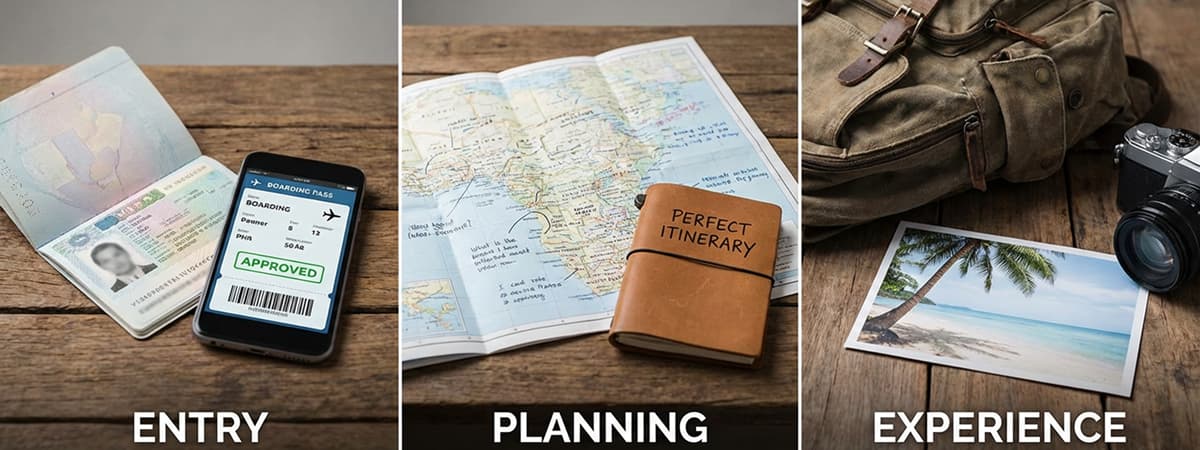
Seamless International Travel: From Entry Requirements to the Perfect Itinerary
Post Summary: Navigating international borders with a one-way ticket requires careful preparation. This guide explores how to satisfy immigration requirements for onward travel and how to build a flexible, professional itinerary for a stress-free journey.
Traveling the world on a one-way ticket offers an unparalleled sense of freedom, but it comes with a specific set of challenges. One of the most overlooked hurdles at check-in counters and border crossings is the requirement for proof of onward travel. Without evidence that you plan to leave the country, many nations may deny entry or boarding.
To navigate these regulations while keeping your plans flexible, experienced travelers often rely on professional documentation services and comprehensive planning tools. This guide breaks down the essential steps to moving from a confirmed entry to a fully realized travel experience.
Step 1: Satisfying Immigration Requirements
For digital nomads, backpackers, and long-term travelers, booking a full-priced return flight isn’t always practical or affordable. This is where specialized onward ticket services become invaluable.
Using a dedicated platform for onward documentation provides several advantages:
- Efficiency: Receive valid documentation within minutes, perfect for last-minute adjustments.
- Compliance: These documents are designed to meet the specific requirements of airlines and immigration authorities globally.
- Risk Mitigation: Avoid the hassle of booking and then trying to refund expensive tickets that may have hidden cancellation fees.
By securing a reliable onward ticket, you demonstrate to authorities that you are a prepared traveler with clear intentions, making your entry process significantly smoother.
Step 2: Destination Strategy and Timing
Once your entry requirements are handled, the next phase is defining the “where” and “when.” Choosing a destination is more than just picking a spot on a map; it requires understanding the local context.
Professional travel resources can help you compare regions by looking at:
- Seasonal Trends: Identifying the “shoulder seasons” to avoid crowds and high prices.
- Regional Budgets: Understanding the cost of living and travel expenses in different parts of the world.
- Environmental Preferences: Deciding between vibrant urban centers or tranquil natural landscapes based on your current travel goals.
Step 3: Crafting a Flexible Itinerary
While “winging it” has its charm, a lack of structure can lead to wasted time and missed opportunities. A well-structured itinerary serves as a roadmap that you can adjust as you go. Expert travel platforms offer ready-made plans that include:
- Curated Timeframes: Detailed 3-day, 7-day, or 10-day schedules that highlight must-see attractions.
- Local Logistics: Insights into transportation networks and local dining traditions.
- Practical Tools: Access to packing checklists and budgeting templates tailored to specific climates and cultures.
The goal is to have a framework that supports your journey without stifling the spontaneity that makes travel exciting.
Step 4: Final Preparations and Organization
The final step is synchronization. Ensure that your onward documentation and your daily itinerary are easily accessible. Modern travelers should maintain both digital and physical copies of their plans. Whether you are prepping for a tropical expedition or a minimalist European city-break, having a centralized plan ensures that you spend less time worrying about logistics and more time immersing yourself in the culture.
Frequently Asked Questions
Why is proof of onward travel necessary?
Immigration departments use this to verify that visitors do not intend to overstay their visas. It is a standard security measure for most tourist entries.
Are digital onward ticket services recognized by authorities?
Yes, reputable services provide documentation based on real flight data, which is generally accepted by major airlines and immigration officers worldwide.
Can travel itineraries be customized?
Absolutely. The best travel plans are modular, allowing you to scale your activities based on your budget, traveling companions, or changes in weather.
Will I be asked for my itinerary at the border?
While not always mandatory, being able to present a clear plan of where you are staying and what you intend to do creates a positive impression of a well-organized and low-risk visitor.