Nature Escapes: Top Destinations and Smartphone Travel Hacks
In a world dominated by concrete jungles, retreating into the wild is the ultimate way to recharge. However, “unplugging” doesn’t mean leaving your technology behind. In 2026, the modern smartphone is no longer just a communication device; it is a vital survival tool, a high-end camera, and a personal navigator all rolled into one.
Top Nature Destinations for Your Next Adventure
1. The Fjords of Norway
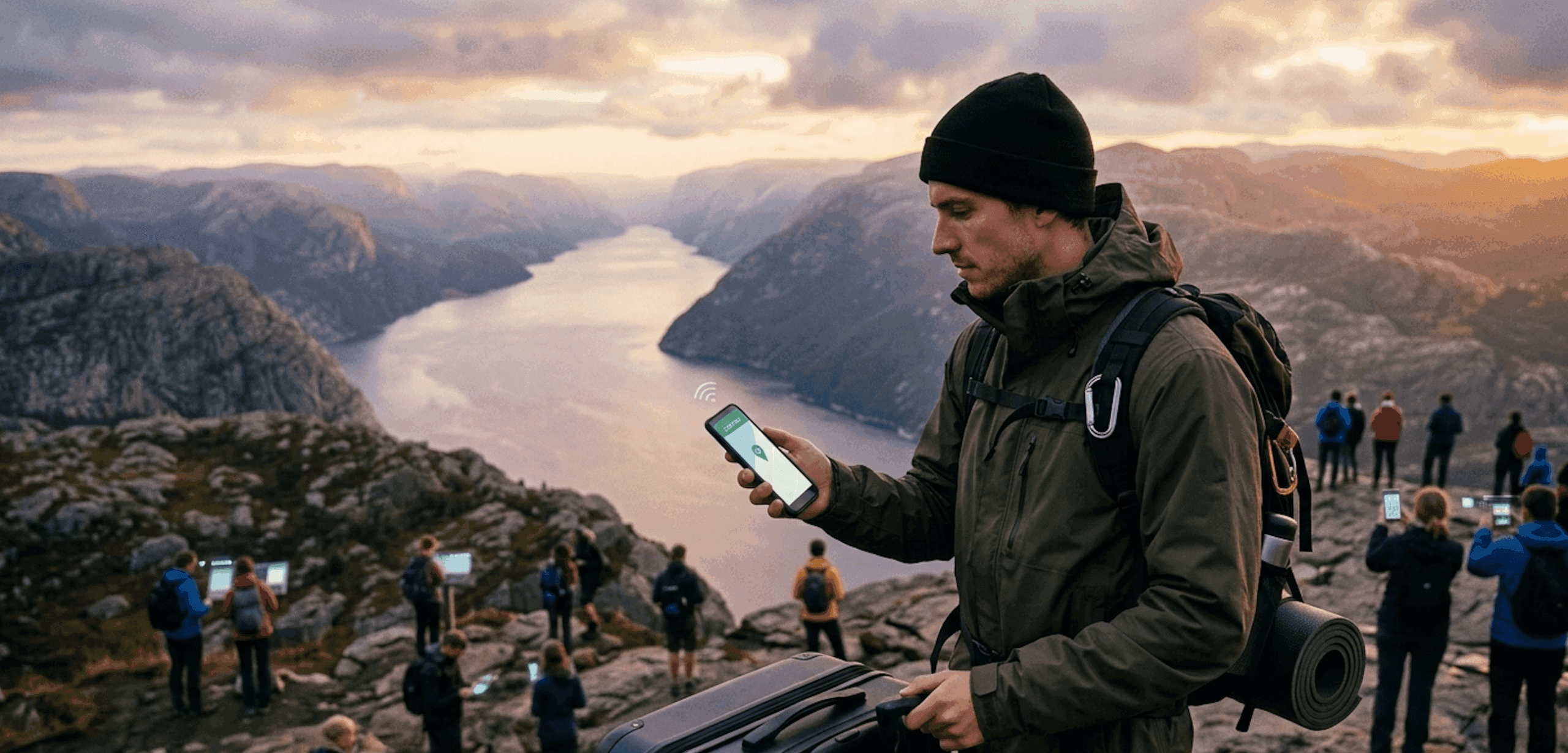
Norway offers some of the most dramatic landscapes on Earth. From the iconic Preikestolen (Pulpit Rock) to the deep blue waters of Geirangerfjord, this is a paradise for hikers and photographers. The mist-covered mountains provide a perfect backdrop for those looking to test their landscape photography skills.
2. Banff National Park, Canada
Located in the heart of the Canadian Rockies, Banff is famous for its turquoise glacial lakes like Lake Louise and Moraine Lake. It is an ideal destination for wildlife spotting, including grizzly bears, elk, and wolves, making it a top choice for nature enthusiasts.
3. Khao Sok National Park, Thailand
For a tropical experience, Khao Sok features ancient rainforests, limestone karsts, and hidden caves. Staying in a floating bungalow on Cheow Lan Lake offers a unique “off-the-grid” feel while still being accessible for adventurous travelers.
How to Turn Your Smartphone into a Wilderness Tool
Before you step into the wild, your phone needs to be prepared. Here is how to use your device effectively in nature:
1. Offline Navigation is Non-Negotiable
Cellular service often vanishes the moment you enter a national park. Use apps like AllTrails or Gaia GPS to download topographic maps for offline use. Ensure your GPS is active, as it works independently of cellular data, allowing you to see your exact position on a trail even in total “dead zones.”
2. Mastering Nature Photography
You don’t need a heavy DSLR to capture the stars or the sunset. Use your phone’s “Night Mode” for long-exposure shots of the night sky. For macro shots of flora and insects, use the “Portrait” or “Macro” mode to create a beautiful blurred background (bokeh), making the subject pop.
3. Safety and Satellite Features
Many 2026 smartphones come equipped with satellite SOS features. Familiarize yourself with how to trigger an emergency signal without a signal. Additionally, keep digital copies of your visa and ID in an encrypted folder, and use a rugged, waterproof case to protect your device from the elements.
4. Plant and Animal Identification
Curious about a strange flower or a bird call? Use apps like iNaturalist or PictureThis. By simply taking a photo, these AI-powered tools can identify species in real-time, turning your hike into an educational expedition.
Essential Tips for the Smart Explorer
- Power Management: Cold weather drains batteries fast. Keep your phone in an internal pocket close to your body heat and always carry a high-capacity power bank.
- Leave No Trace: Use your phone to stay on marked trails. Geotagging is great, but consider removing specific location tags from photos of sensitive or “secret” spots to prevent over-tourism.
- Digital Wellbeing: Use the “Do Not Disturb” mode. Let the smartphone be your tool, but don’t let notifications distract you from the actual view.
Summary: Combining the beauty of nature with the power of technology allows for safer and more enriching adventures. Whether you are in the Rockies or the Fjords, a well-prepared smartphone ensures you stay on track, stay safe, and capture memories that last a lifetime.