The Digital Frontier: Global Mobility in the Era of E-Credentials
The golden age of paper documents is rapidly coming to an end. In 2026, the concept of “Universal Travel” is no longer a futuristic dream but a digital reality. From cloud-based passports to instant electronic visas, the digitalization of travel credentials has transformed the way we cross borders, making global mobility faster, more secure, and remarkably seamless.
The Death of the Physical Stamp
Traditional visas—the ones that took up entire pages in your passport and required weeks of waiting—are being replaced by biometric e-visas and ETA (Electronic Travel Authorization) systems. Countries across the Middle East, Asia, and Europe have integrated their immigration databases with airline systems, allowing for real-time verification of your right to enter.
This shift isn’t just about convenience; it’s about security. Digital credentials are harder to forge and can be updated instantly if travel regulations change, providing travelers with up-to-the-minute compliance.
Universal Travel: One Device, Infinite Borders
The modern traveler’s “command center” is now their smartphone. Digital wallets now hold more than just credit cards; they store biometric data, health records, and digital boarding passes. This convergence is creating a more “Universal” travel experience where the friction of international transitions is minimized.
Key Components of Modern Digital Travel:
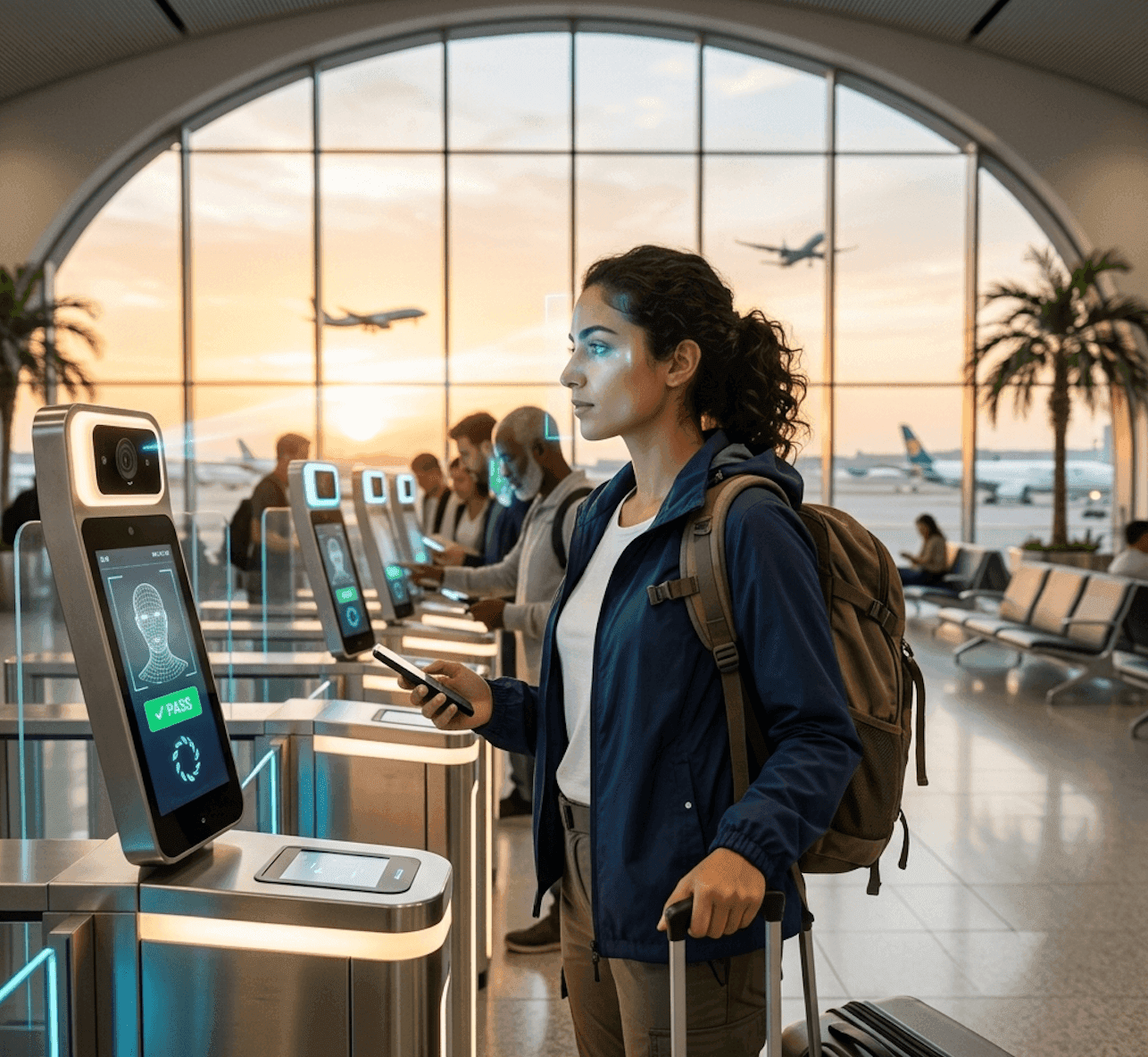
- Biometric Smart Gates: Facial recognition is replacing manual passport checks, reducing wait times at major international hubs to mere seconds.
- Cloud-Based Visas: Your status is often linked directly to your passport number in a global database, eliminating the need for physical stickers or paper printouts.
- Digital Identity Wallets: Secure apps that allow you to share only the necessary data with border authorities, protecting your privacy while ensuring compliance.
The Flexibility Factor: Navigating Digital Borders
While digitalization makes entry easier, it also makes immigration systems more efficient at tracking stay durations. This means that having a clear and verifiable itinerary is more important than ever. Digital systems at check-in counters automatically flag travelers who do not have a documented journey out of the country.
For those living the nomad lifestyle or relocating, this requires a strategic approach. Maintaining the flexibility of a digital nomad while satisfying the requirements of automated border systems is now a standard practice for savvy travelers. It allows you to stay compliant with rigid digital systems by providing a verifiable flight itinerary on demand, without locking yourself into permanent plans.
The Future: Toward a Borderless Experience
As we move deeper into 2026, the trend toward full digitalization continues to accelerate. Interoperability between different nations’ systems is the next frontier, potentially leading to a world where a single digital token can grant you access to multiple regions without a single physical document.
Universal travel is about freedom, and technology is the key that unlocks it. By embracing these digital tools, you ensure that your focus stays on the destination, not the documentation.
Summary: Digitalization is erasing the traditional barriers to global travel. By utilizing e-visas, biometric systems, and flexible itinerary solutions, travelers can enjoy a seamless, universal experience across international borders.